

Custom Dog Sculpture: What Every Pet Owner Must Know
Most people assume a custom dog sculpture is just a decorative object. It isn’t. The best ones are frozen moments. They capture the exact tilt of your dog’s head, the way his ears fold, the expression he wore when he knew he was about to get a treat. A custom dog sculpture done right holds more emotional weight than any photograph, because you can hold it, display it, and pass it down. This guide covers everything you need to know: materials, processes, timelines, personalization options, and how to find an artist who actually gets it.
Table of Contents
- Key takeaways
- Custom dog sculpture types and materials
- The artistic process and timeline
- How to select the right artist or service
- Creative personalization options
- Cost considerations and budgeting
- My honest take on what makes a sculpture worth keeping
- Bring your dog to life with 3dcurioprints
- FAQ
Key takeaways
| Point | Details |
|---|---|
| Material determines longevity | Bronze lasts generations; resin and polymer clay suit indoor display at lower price points. |
| Timelines vary widely | 3D-printed figures ship in 5 to 7 business days; handcrafted ceramic pieces take 4 or more weeks. |
| Personality capture is the goal | The best sculptures reflect unique traits like ear shape, coat markings, and signature expressions. |
| Always request a 3D preview | Digital previews before production let you correct likeness issues before they become permanent. |
| Budget shapes your options | Prices start around $88 for small handmade figurines and climb past $5,000 for large bronze statues. |
Custom dog sculpture types and materials
Not every custom dog sculpture is built the same way, and the material you choose shapes everything from how long it lasts to where you can display it.
Bronze is the gold standard for permanence. Foundries use the lost-wax casting method, where a wax model is coated in ceramic, fired, and replaced with molten bronze. The result is remarkably durable, suitable for both indoor display and outdoor garden placement for decades. The tradeoff is cost. Bronze sculptures typically start in the thousands and can exceed $5,000 for larger, more detailed pieces.
Ceramic is a popular choice for memorial urns and display pieces. Handcrafted ceramic sculptures are kiln-fired for a lasting finish, and skilled artists hand-paint them to match your dog’s coat and markings with impressive accuracy. They are best suited for indoor use.
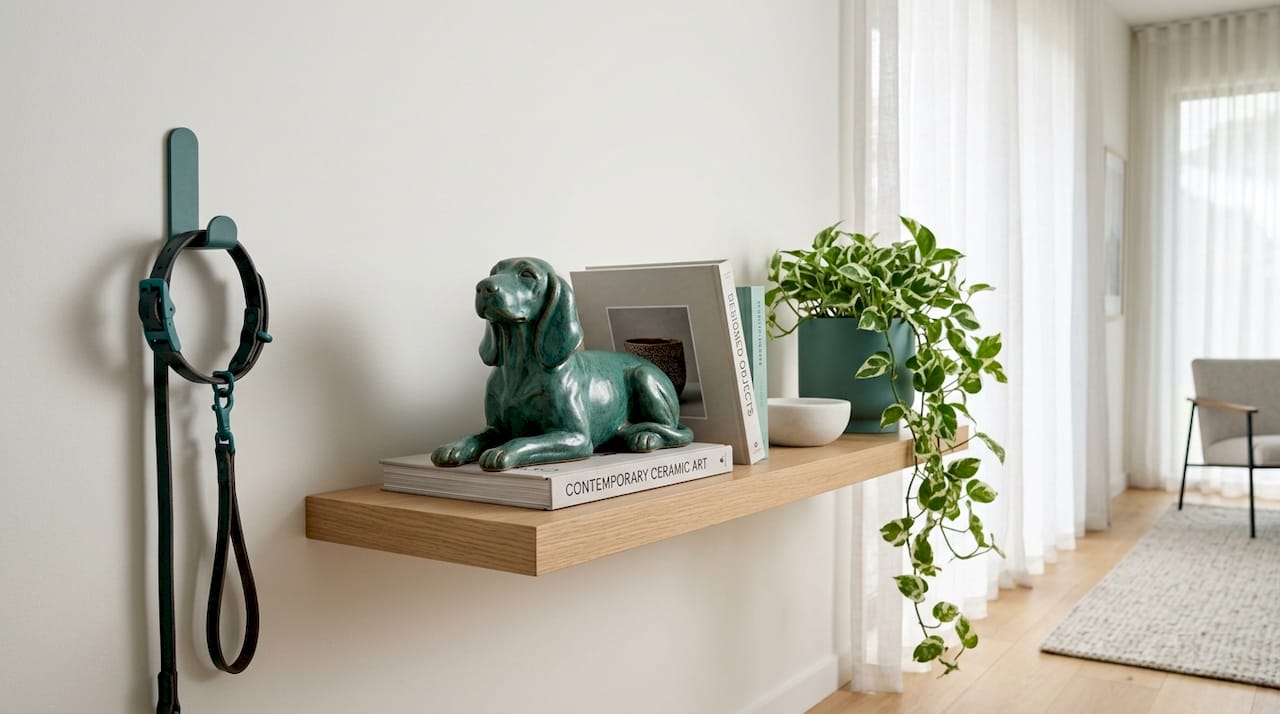
Resin and polymer clay are the most accessible options. They allow for fine detail at a fraction of the cost of bronze or ceramic. Polymer clay in particular is a favorite among independent artists on commission platforms because it is lightweight, easy to shape, and takes paint beautifully.
3D-printed figures represent a newer category that is growing fast. Using digital sculpting software and high-resolution printers, artists create precise models based on photos you submit. The detail achievable with modern 3D printing rivals hand-sculpted work, and the turnaround is significantly faster.
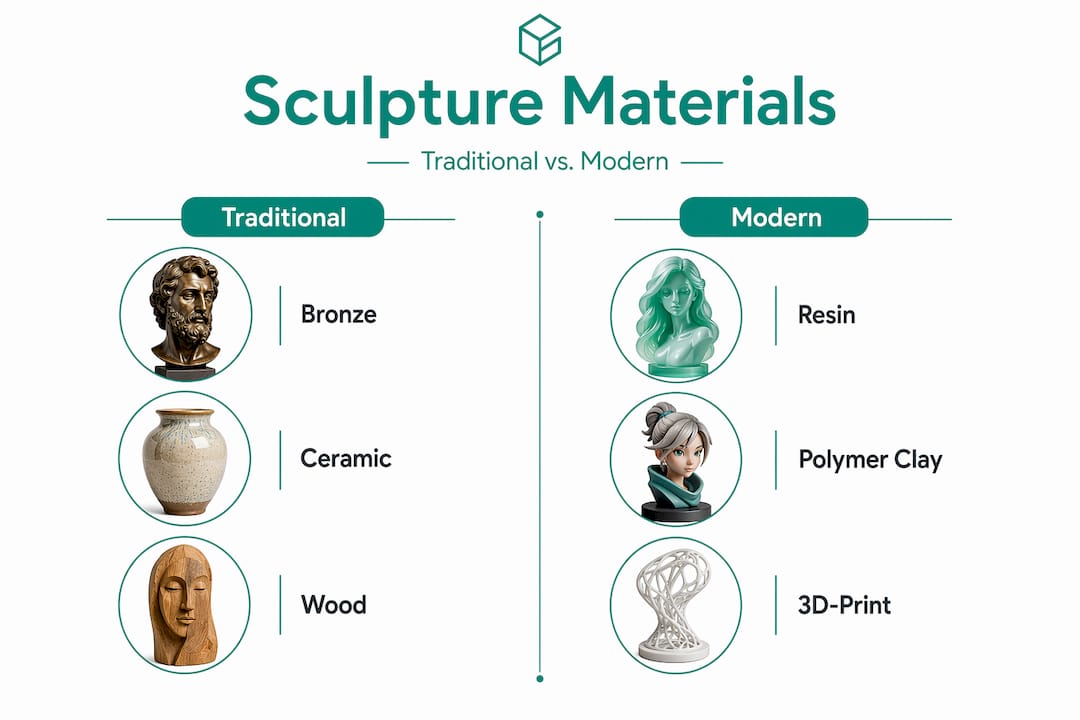
Here is a quick comparison to help you decide:
| Material | Best for | Durability | Relative cost |
|---|---|---|---|
| Bronze | Outdoor display, heirlooms | Exceptional | High ($$$$$) |
| Ceramic | Memorial urns, indoor display | Very good | Medium ($$) |
| Resin | Indoor display, gifts | Good | Low to medium ($) |
| Polymer clay | Handmade figurines, desk pieces | Moderate | Low ($) |
| 3D-printed | Fast turnaround, detailed replicas | Good | Low to medium ($) |
- Bronze suits owners who want a permanent, outdoor-grade tribute.
- Ceramic works well for memorial pieces or display shelves.
- Resin and polymer clay are excellent for gifts and everyday display.
- 3D printing is ideal when you want speed and precision.
Pro Tip: If you plan to display your sculpture outdoors, bronze or a high-quality resin with UV coating are your only real options. Polymer clay and standard resin will degrade with prolonged sun and moisture exposure.
The artistic process and timeline
Understanding how a custom dog sculpture is made helps you set realistic expectations and get a better result. The process differs depending on the medium, but most quality commissions follow a similar path.
-
Photo submission. You send multiple clear photos of your dog from different angles: front, side, and three-quarter view. Close-up shots of distinctive features like ear shape, facial markings, and coat texture are especially helpful. The more reference material the artist has, the more accurate the final piece will be.
-
Design and digital modeling. For 3D-printed sculptures, the artist builds a digital model using your photos as reference. For hand-sculpted pieces, the artist sketches and begins shaping the armature. Either way, this is where your dog’s unique personality starts taking form.
-
Digital 3D preview or approval sketch. Top-tier services provide digital previews before production, giving you a chance to request adjustments before anything is printed or fired. This step separates quality commissions from generic replicas. Do not skip it.
-
Production. For 3D-printed figures, the model is printed, cleaned, and hand-finished. For ceramic pieces, the artist hand-sculpts, fires the piece once for structure, applies paint, and fires it again for a durable glaze. Handcrafted ceramic urns are fired twice to lock in both the form and the color.
-
Final review and shipping. You receive photos of the finished piece before it ships. A good artist welcomes your feedback at this stage too.
Timelines differ significantly by medium. 3D-printed figures typically take 5 to 7 business days from design approval to shipping. Handcrafted ceramic pieces require 4 or more weeks because of the multiple firing stages and hand-painting involved. Bronze commissions from foundries can take 8 to 12 weeks or longer.
Pro Tip: Order at least 6 to 8 weeks before any gift-giving occasion if you are going with a handcrafted or bronze option. Rushing an artist almost always costs you quality.
How to select the right artist or service
The market for custom dog sculptures ranges from highly skilled artisans to sellers offering mass-produced pieces with minimal personalization. Knowing how to tell the difference saves you money and disappointment.
Start with the portfolio. A strong portfolio shows breed-specific customizations across multiple dog types, not just one or two generic poses. Look for evidence that the artist can capture individual personality, not just approximate a breed silhouette. If all the portraits in their portfolio look similar despite different breeds, that is a red flag.
Ask directly whether they offer a feedback loop during production. The transparent creative process with revision checkpoints is what separates artisanal work from assembly-line output. Any artist worth hiring will welcome your input, not resist it.
Check customer reviews carefully. Look for mentions of likeness accuracy, communication quality, and how the artist handled requests for changes. Generic five-star reviews that say “great product, fast shipping” tell you almost nothing. You want reviews where the owner describes seeing their specific dog in the finished piece.
“The sculpture looked exactly like my dog, right down to the way one ear always flopped forward. I’ve never had a piece of art make me cry before.” This kind of testimonial is what you’re looking for.
Finally, ask about material quality upfront. Resin and polymer clay vary widely in grade. A budget price often means a lower-grade material that chips, fades, or warps over time. Ask what specific materials the artist uses and whether they have tested them for longevity.
Creative personalization options
This is where a custom dog sculpture becomes truly yours. The difference between a good sculpture and an extraordinary one comes down to how much personality the artist captures.
- Pose and expression. Think about your dog’s most recognizable moment. Is it the head tilt when you say “walk”? The full-body wiggle at the door? Custom sculptures capture those frozen moments far better than any generic sitting-dog pose.
- Distinctive physical traits. Ear shape, coat markings, eye color, and even the way your dog carries his tail are all details worth specifying. Submit close-up photos of these features separately.
- Props and themed attire. Some artists can incorporate your dog’s favorite toy, a bandana he always wore, or even a themed costume. A life-size Deadpool canine figure is one creative example of how custom dog sculptures can blend character and personality.
- Scale and placement intent. A desk figurine calls for different detail priorities than a large display piece. Tell your artist where you plan to display the sculpture so they can calibrate the level of detail accordingly.
- Memorial or celebratory purpose. A sculpture made to commemorate a dog who has passed calls for a different emotional tone than one made to celebrate a living pet. Communicate this to your artist. It shapes every decision they make.
Pro Tip: Submit at least 5 to 8 photos from different angles and lighting conditions. A single blurry phone photo is the most common reason a finished sculpture misses the mark on likeness.
Cost considerations and budgeting
Price in this category is driven by three factors: material, size, and the amount of hand labor involved.
| Sculpture type | Typical price range | Notes |
|---|---|---|
| Small polymer clay figurine | $88 to $250 | Handmade figurines start around $88 |
| Medium resin or 3D-printed | $150 to $500 | Price rises with size and detail |
| Handcrafted ceramic | $200 to $800 | Memorial urns at the higher end |
| Large bronze statue | $2,000 to $5,000+ | Bronze statues command premium pricing |
Beyond the base price, factor in shipping costs for heavier or oversized pieces, any customization fees for complex requests, and potential import duties if ordering internationally. Some artists charge a separate fee for the 3D preview step, though many include it.
The temptation to go with the cheapest option is understandable, but a $40 mass-produced figurine with your dog’s name on the base is not a custom dog sculpture. It is a generic product with a label. The price floor for genuine artisanal work sits around $88 for small pieces, and that reflects the time and skill involved.
Pro Tip: Get at least three quotes before committing. Provide each artist with the same reference photos and specifications so you are comparing like for like. Price differences of 50% or more for similar specs usually indicate a meaningful difference in material quality or hand labor.
My honest take on what makes a sculpture worth keeping
I’ve spent years working with collectors and pet owners who commission custom art, and I’ll tell you what most articles won’t: the material matters far less than most people think. I’ve seen beautifully detailed polymer clay pieces that outlasted poorly cast resin figures twice their price. What actually determines whether a sculpture becomes a treasured heirloom is whether the artist captured the specific dog, not just the breed.
The biggest mistake I see is owners submitting one or two mediocre photos and expecting a miracle. Your photos are the artist’s only reference. If you give them a blurry side shot, you’ll get a generic approximation. Give them a full set of sharp, well-lit images from multiple angles, and a skilled artist will give you something that stops visitors in their tracks.
I’ve also noticed that pet owners who treat this as a purely transactional purchase almost always end up disappointed. The best results come from people who communicate with their artist throughout the process, ask questions, and engage with the feedback loop. A digital 3D preview is not just a courtesy. It’s your best protection against receiving something that doesn’t look like your dog at all.
My advice: find an artist who asks you questions. If they take your money and disappear until the piece ships, that’s a warning sign. The artists who produce the most emotionally resonant work are the ones who genuinely want to understand what made your dog unique.
— Dominick
Bring your dog to life with 3dcurioprints
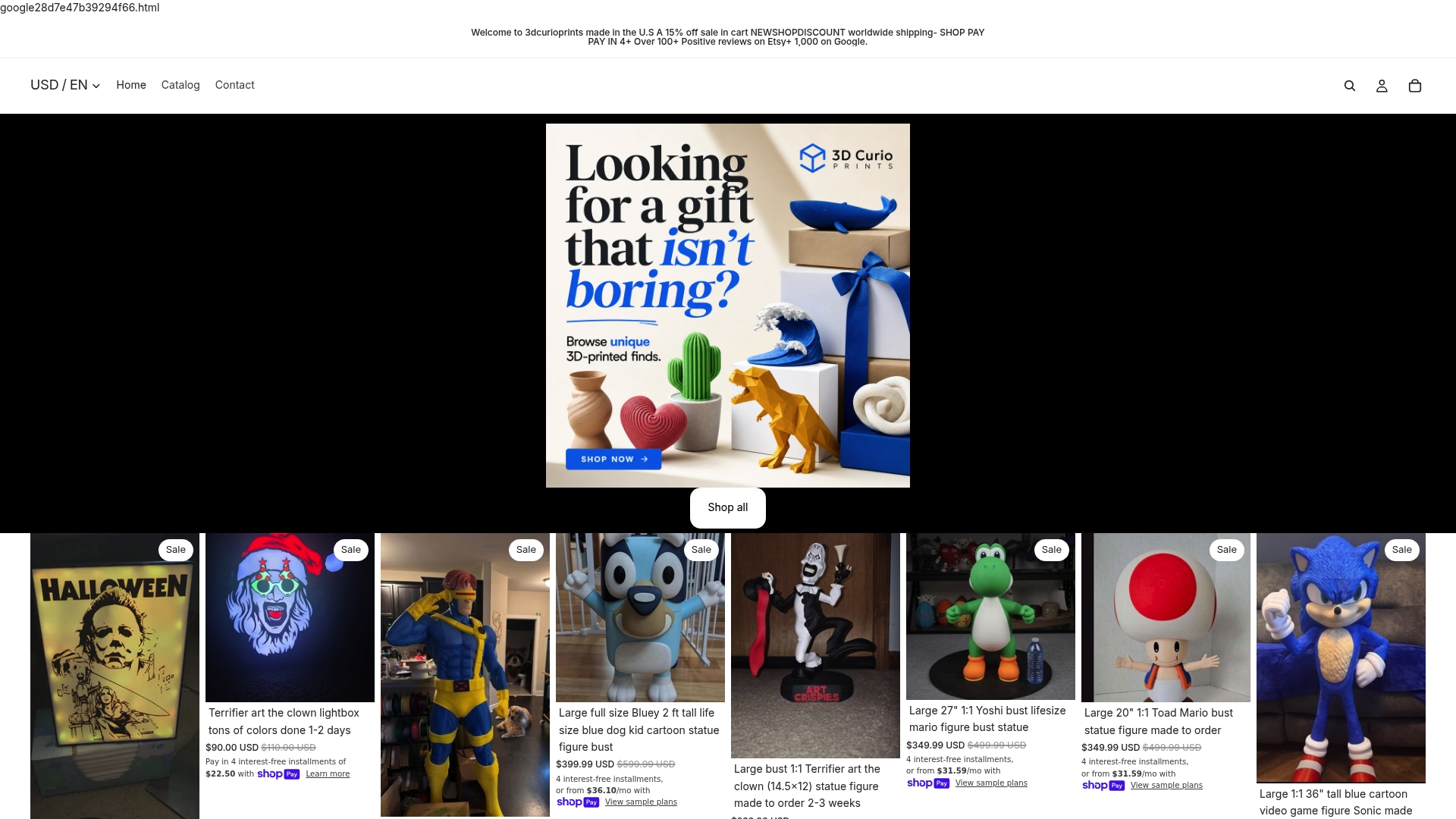
At 3dcurioprints, every piece starts with your vision and ends with something you’ll want to display for years. Specializing in made-to-order 3D printed figures and statues, 3dcurioprints brings the same precision and customizability that collectors love to the world of custom pet art. You can request specific poses, scale adjustments, and design details that reflect your dog’s actual personality, not a generic template. The team actively welcomes customer input throughout the process, which is exactly the kind of feedback loop that produces sculptures worth keeping. Browse the full catalog of custom 3D printed sculptures and start a conversation about your dog today.
FAQ
How long does a custom dog sculpture take to make?
3D-printed figures typically take 5 to 7 business days, while handcrafted ceramic pieces require 4 or more weeks due to multiple firing and painting stages.
What photos should I send for a custom dog sculpture?
Send at least 5 to 8 clear photos from multiple angles, including close-ups of distinctive features like ear shape, coat markings, and facial expressions. Better reference photos directly improve likeness accuracy.
What is the cheapest material for a personalized dog statue?
Polymer clay and resin are the most affordable options, with handmade figurines starting around $88. Bronze is the most expensive, often exceeding $5,000 for larger pieces.
Should I request a 3D preview before my sculpture is made?
Yes. A digital preview before production lets you catch likeness issues and request corrections before the piece is finalized, which is the single best way to avoid disappointment.
Can a custom dog sculpture work as a memorial piece?
Absolutely. Many pet owners commission a unique dog sculpture specifically as a memorial, and artists can tailor the pose, expression, and emotional tone to honor a dog who has passed. Ceramic urns in particular serve both as sculpture and as a functional memorial.
Recommended
- Lifesize Deadpool - Large 1:1 Deadpool Canine Superhero Made to Order – 3dCurioPrints
- Large full-size Bluey - 2 ft Tall Life-Size Cartoon Dog Statue – 3dCurioPrints
- 20 inch customizable dog figure with name and collar color - Unique Gift – 3dCurioPrints
- Life size bust - 3ft 2in H.E.R.B.I.E. Fantastic 4 Bust Statue – 3dCurioPrints