

Mini Characters Collectors Actually Want in 2026
Finding mini characters that feel genuinely special is harder than it looks. Most shelves are packed with the same mass-produced small toy figures that every other collector already owns. What serious collectors want are miniature figures with rarity, customization potential, and real display impact. Whether you collect blind box series, hand-painted fairy sculpts, or made-to-order 3D printed busts, this guide breaks down the best options available right now and what makes each one worth your shelf space.
Table of Contents
- Key takeaways
- 1. Top mini character series worth collecting right now
- 2. How mini characters are made: sculpting, materials, and 3D printing
- 3. Comparing popular mini characters by size, rarity, and price
- 4. Tips for building themed displays with mini characters
- My take on where mini character collecting is actually headed
- Find custom mini character collectibles at 3dcurioprints
- FAQ
Key takeaways
| Point | Details |
|---|---|
| Rarity drives value | Chase figures like 1/72 odds in blind box series create secondary market demand and collector strategy. |
| Customization separates standouts | The best mini character collectibles offer painting, posing, or made-to-order personalization. |
| Material affects longevity | Resin and PLA hold detail better than vinyl for display-grade miniature figures. |
| Display intent matters | Match figure size and style to your shelf or themed setup before buying. |
| Blind boxes require strategy | Buying full sets does not guarantee every variant. Plan your approach before spending. |
1. Top mini character series worth collecting right now
Not every collectible line is created equal. The best series combine strong design, meaningful rarity tiers, and enough variety to keep the hunt interesting. Here are five lines that serious collectors are paying attention to in 2026.
Toy Story 5 Mystery Minis by Funko. These tiny character designs come with a tiered rarity structure that makes each unboxing feel like a gamble worth taking. Common figures appear at a 1/6 frequency, while the super rare chase figures land at just 1/72 odds per unit. At around $6.99 to $7.00 per blind box, the price of entry is low, but completing the set is anything but simple. Duplicates are common and buying in bulk does not statistically guarantee one of every figure. That unpredictability is exactly what makes the secondary market for these collectible mini toys so active.
Ishinomori Heroes capsule and box series. This Japanese line releases in two formats: a capsule vending machine version at 500 yen and a boxed edition at 550 yen. Each series features three characters with two color variants each, totaling six variations per run. The clear-color editions are particularly striking on display and harder to find than the standard full-color versions. For collectors who love tightly themed sets with visual cohesion, this line delivers.
The Wood Whisperers 75mm fairy miniatures. These are not mass-market collectibles. They are premium sculpts designed specifically for painters and display enthusiasts. At 75mm, the figure surface allows for detailed expression of cloth movement, anatomy, and storytelling through paint. Collectors who enjoy the craft side of the hobby treat these as blank canvases. The result is a piece that is entirely your own, which is something no blind box can offer.
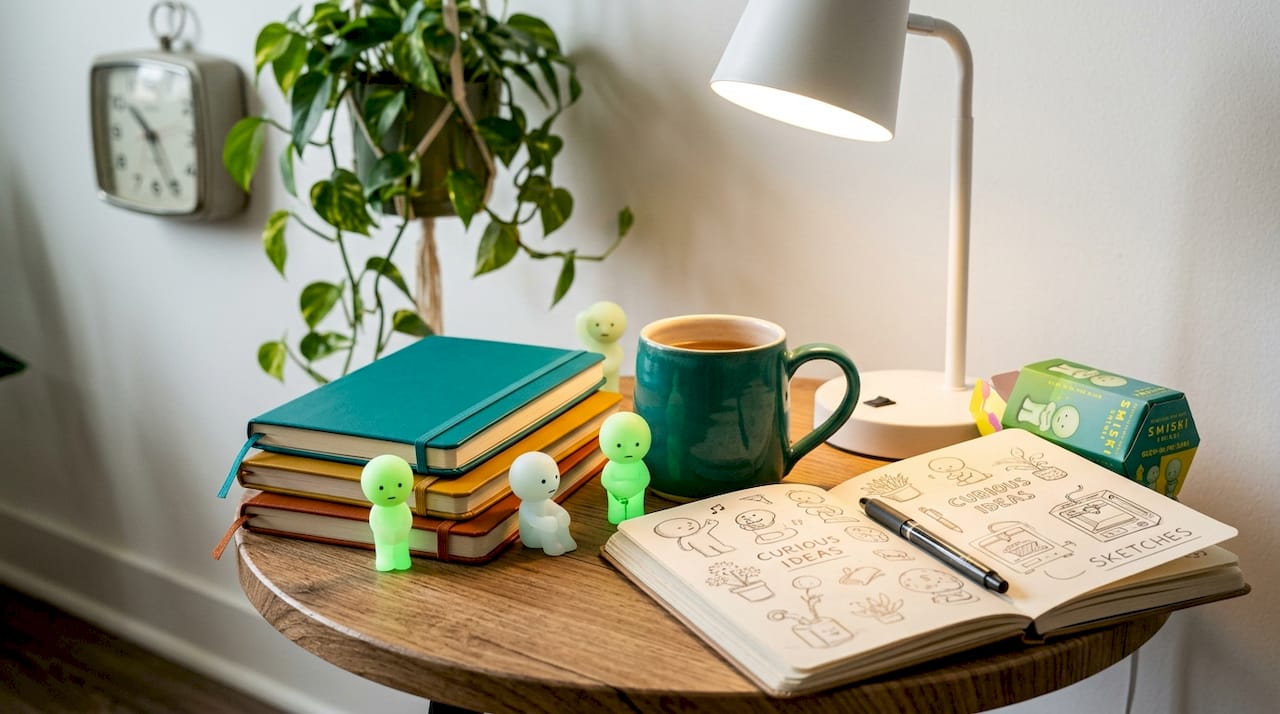
Smiski mini figures. Smiski characters are built around mystery and interactivity. Many glow in the dark or are posed mid-hide, which encourages creative placement throughout a room rather than static shelf display. They blur the line between collectible and conversation piece. If you want mini figurines for display that actually engage visitors to your space, Smiski figures earn their place.
Pusheen Surprise Mini Figurines. Each bag contains one random figure from a pool of 10 possible designs, including a rare chaser figure. Opened bags are non-returnable, so the blind box experience is fully committed. The themed designs are consistent and charming, making them a strong choice for collectors building a specific aesthetic around soft, character-driven displays.
Pro Tip: When collecting blind box series, track your pulls in a spreadsheet. Knowing exactly what you own versus what you need helps you trade duplicates strategically on collector forums instead of buying more boxes blindly.
2. How mini characters are made: sculpting, materials, and 3D printing
Understanding how a figure is made changes how you evaluate it. Production method directly affects detail quality, durability, and whether customization is even possible.
Traditional hand sculpting uses a two-part epoxy modeling putty that sculptors shape by hand before it cures. This method allows for organic, flowing forms that feel alive in ways that purely mechanical production sometimes misses. The trade-off is time and cost. Hand-sculpted figures are typically produced in small runs, which naturally creates rarity.
Modern digital sculpting uses CAD software to design figures with precise geometry, which is then printed via resin or FDM 3D printers. 3D printing advances now allow small-batch, highly detailed mini character production with rapid iteration for customization. This is a significant shift for the collector market. Independent creators and small studios can now produce figures that rival factory output in detail, while offering personalization that mass manufacturers cannot match.
Here is what to look for when evaluating a mini character based on its production method:
- Resin prints hold fine detail extremely well and are ideal for display figures that will not be handled frequently
- FDM (fused deposition modeling) prints are more durable and better for larger figures, though fine surface detail is slightly reduced
- Hand-sculpted epoxy figures have subtle organic imperfections that many collectors find appealing and more “alive”
- Injection-molded vinyl is common in mass-market blind box lines and is durable but limits fine detail
Pro Tip: Ask the seller or creator what material and print resolution was used before buying a premium mini figure. A resin print at 0.05mm layer height will show dramatically more detail than a standard FDM print at 0.2mm.
3. Comparing popular mini characters by size, rarity, and price
Use this table to quickly evaluate which type of mini character fits your collecting goals.
| Series / Type | Size | Rarity | Price Range | Customization | Format |
|---|---|---|---|---|---|
| Toy Story 5 Mystery Minis | ~2.5 inches | Common to 1/72 chase | $6.99 to $7.00 | None | Blind box |
| Ishinomori Heroes | ~3 inches | Color variant rarity | 500 to 550 yen | None | Capsule or boxed |
| Wood Whisperers 75mm fairy | 75mm (~3 inches) | Limited production | $30 to $80+ | Full paint customization | Single purchase |
| Smiski mini figures | ~2 inches | Series-specific rare | $12 to $18 | Pose-based display | Blind box |
| Pusheen Surprise Minis | ~1.5 to 2 inches | 1 in 10 rare chaser | $10 to $15 | None | Blind bag |
| 3D printed custom busts | 4 to 10+ inches | Made to order | $25 to $100+ | Full customization | Direct order |
The most important column for serious collectors is customization. Collectors gravitate toward mini characters that blend toy appeal with artistry, specifically seeking figures that offer painting or posing opportunities. If personalization matters to you, blind box series will always disappoint compared to premium sculpts or made-to-order options.
4. Tips for building themed displays with mini characters
A collection without intention is just clutter. The collectors whose setups stop people in their tracks all share one habit: they think about the display before they buy the figure.
Start by defining your theme. Horror, gaming, fantasy, and anime are the most common anchors for themed mini character collections. Once you have a theme, every purchase decision gets easier. A figure either fits the world you are building or it does not.
Here is a practical framework for display-focused collecting:
- Scale consistency matters. Mixing a 75mm fairy sculpt with 1.5-inch blind box figures looks chaotic. Group figures by size range or use tiered shelving to create intentional separation.
- Lighting transforms displays. Macro photography enthusiasts use LED setups and creative backgrounds to highlight mini character details. The same principles apply to shelf displays. A small LED strip behind your figures adds dramatic depth.
- Chase figures deserve featured placement. If you land a 1/72 chase figure, do not bury it in a row. Give it a pedestal or a dedicated spotlight position.
- Interactive figures like Smiski work best in unexpected spots. Place them peeking from behind books, plants, or other objects. The discovery moment is part of the display.
- Track your want list and duplicates actively. Mystery and chase elements drive collector engagement, but they also generate a lot of duplicates. A simple spreadsheet prevents overspending and helps you identify trade opportunities.
Pro Tip: Use museum-quality putty to secure mini figurines for display on open shelves. It holds figures in place without damaging the base, and it is completely removable when you want to rearrange.
My take on where mini character collecting is actually headed
I have watched the mini character market shift pretty dramatically over the last few years, and the most interesting change is not the figures themselves. It is who is making them.
Mass-market blind box lines are not going anywhere. The rarity tiers and chase figures that drive blind box behavior are genuinely effective at building collector communities and secondary markets. That psychology is real and it works. But what I find more compelling is the rise of small-batch, made-to-order figures from independent creators using 3D printing.
The collectors I respect most are not chasing every new blind box drop. They are building displays that tell a story. They are commissioning custom mini characters based on their favorite game characters, horror icons, or original designs. They are treating their shelves like curated art installations, not storage units.
The gap between “toy” and “art piece” in this hobby has never been smaller. A well-painted 75mm sculpt or a precisely printed custom bust carries the same visual weight as something you would see in a gallery. That shift matters because it changes what you should be willing to spend and what you should demand in terms of quality and personalization.
My honest advice: do not let the low price of blind boxes trick you into thinking that is all the market offers. The most satisfying pieces in any serious collection are the ones that could not have come from a vending machine.
— Dominick
Find custom mini character collectibles at 3dcurioprints
If you have been searching for mini characters that go beyond what blind boxes can offer, 3dcurioprints is worth a serious look.
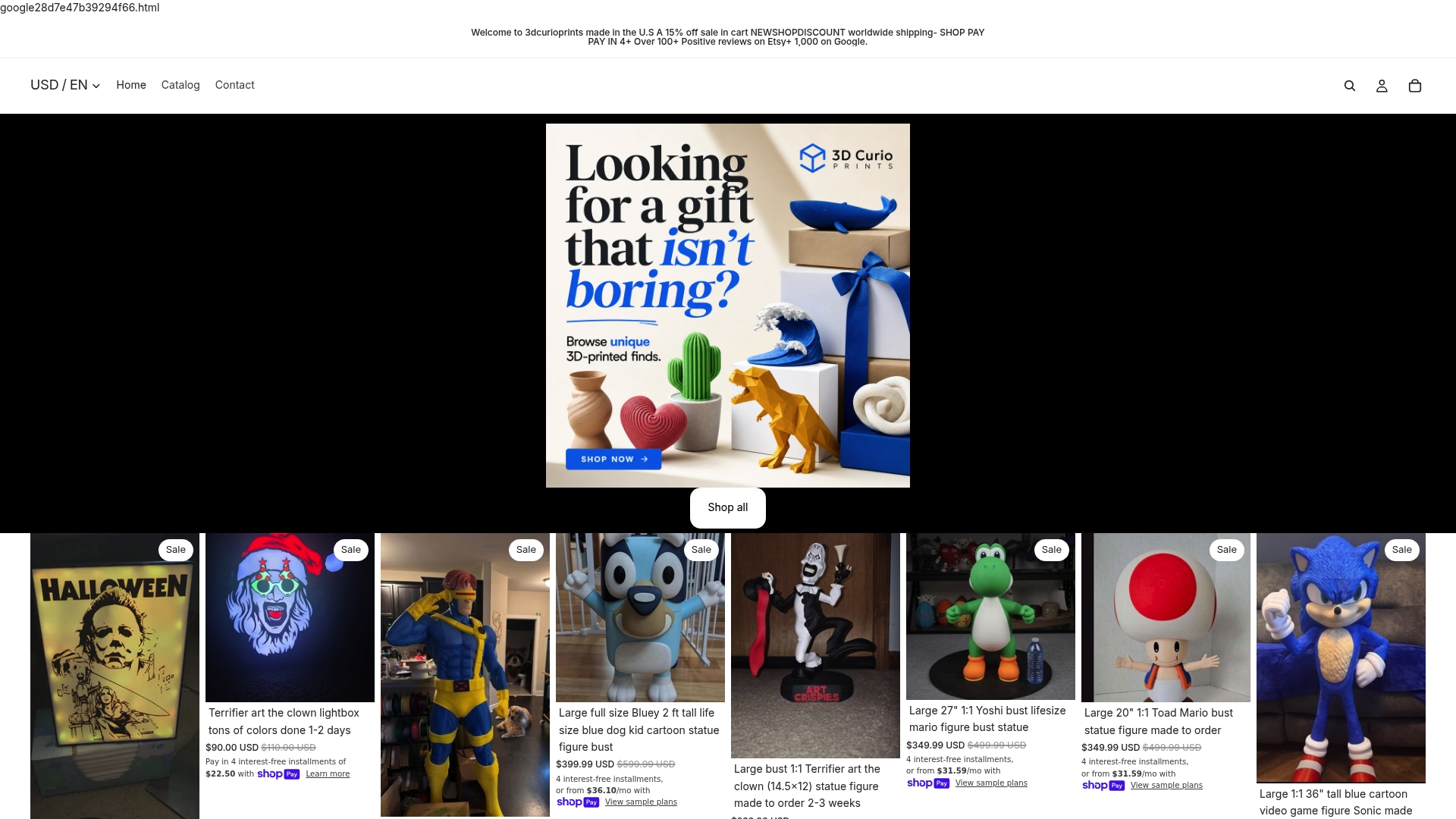
3dcurioprints specializes in made-to-order 3D printed collectibles, including character busts and figure statues built specifically for fans of gaming, horror, and pop culture. Every piece is customizable. You can request design changes, specific colorways, or scale adjustments to fit your display setup. Their 10-inch Sonic figure are standout examples of licensed fan art done at display quality. Browse the full 3dcurioprints collection to find your next centerpiece.
FAQ
What makes a mini character a “chase figure”?
A chase figure is a rare variant within a collectible series, typically produced at much lower odds than standard figures. In the Toy Story 5 Mystery Minis line, for example, chase figures appear at 1 in 72 odds per blind box.
Can you customize blind box mini characters?
Most blind box mini characters are not designed for customization, but collectors do repaint them. For figures built around customization from the start, premium sculpts like the Wood Whisperers 75mm fairy or made-to-order 3D printed figures from creators like 3dcurioprints are far better options.
What size mini characters work best for shelf displays?
Figures in the 2.5 to 4-inch range work well for grouped shelf displays, while larger 10-inch busts serve as focal pieces. Mixing sizes intentionally with tiered shelving creates depth and visual interest without looking disorganized.
How do I find rare mini character figures without overspending?
Track your pulls, join collector communities on Reddit or Discord, and trade duplicates rather than buying more blind boxes. Secondary markets like eBay often have chase figures available at a premium, but that is sometimes more cost-effective than buying 72 boxes to find one.
What materials hold up best for long-term mini figure display?
Resin and high-quality PLA hold fine detail and resist yellowing better than standard vinyl over time. For display-grade miniature figures you plan to keep long-term, resin prints or epoxy sculpts are the most durable choices.
Recommended
- Life-size Sonic the Hedgehog 36" Tall Cartoon Video Game Figure - Made to Order – 3dCurioPrints
- Arc Raiders Life Size 1:1 Scrappy Bust Statue - Collectible Display – 3dCurioPrints
- Mugman Video Game Bust - 10-Inch Collectible Statue for Game Rooms – 3dCurioPrints
- Large Set of 2 Cuphead Bust Statues - 10-inch Collectible Figures – 3dCurioPrints